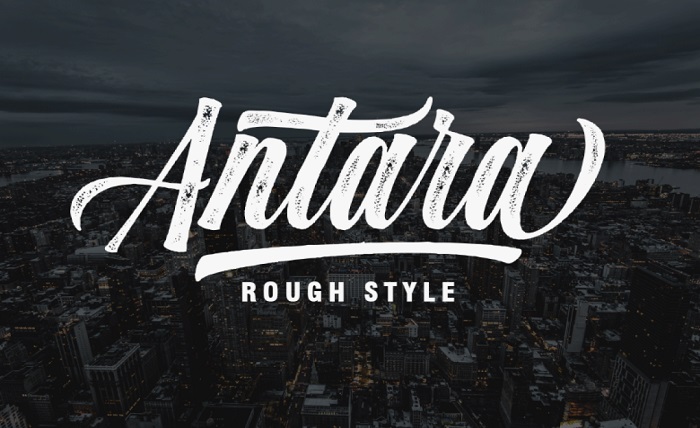
The term yazı tipi stili refers to font style or typography style, which plays a major role in communication, branding, and digital design. Whether you are creating a website, designing a logo, writing social media content, or preparing marketing materials, the right yazı tipi stili can completely transform the visual appearance of your content. Typography is more than just letters on a screen; it influences readability, emotions, and audience engagement.
In today’s digital world, businesses and creators focus heavily on selecting the perfect yazı tipi stili because fonts help create identity and professionalism. A stylish and readable font can make a brand appear trustworthy, creative, elegant, or modern. Because of this, understanding yazı tipi stili is essential for designers, bloggers, marketers, and anyone working with visual content.
What Does Yazı Tipi Stili Mean?
The phrase yazı tipi stili originates from Turkish and directly translates to “font style” in English. A yazı tipi stili refers to the visual design of text, including the shape, spacing, thickness, and decorative elements of letters. Fonts can communicate different moods and personalities depending on their appearance.
For example, serif fonts often represent tradition and professionalism, while sans-serif fonts create a clean and modern look. Decorative and script-based yazı tipi stili options are often used for invitations, branding, and artistic projects. Every typeface carries a unique personality, which is why selecting the correct yazı tipi stili is such an important design decision.
The popularity of digital media has made yazı tipi stili more important than ever before. Social media posts, advertisements, websites, and mobile applications all rely on typography to improve visual communication and user experience.
Different Types of Yazı Tipi Stili
There are many categories of yazı tipi stili, and each serves a different purpose. Understanding these categories can help you choose the best font style for your project.
Serif Font Style
A serif yazı tipi stili includes small decorative lines at the ends of letters. Fonts like Times New Roman and Georgia belong to this category. This yazı tipi stili is commonly used in newspapers, books, and professional documents because it improves readability in long-form content.
Sans-Serif Font Style
A sans-serif yazı tipi stili removes decorative strokes, creating a clean and minimal appearance. Fonts like Arial, Helvetica, and Roboto are examples. This type of yazı tipi stili is highly popular for websites and mobile applications because it looks modern and easy to read on screens.
Script Font Style
A script yazı tipi stili mimics handwriting or calligraphy. These fonts add elegance and creativity to invitations, branding, and artistic designs. However, using too much script yazı tipi stili can reduce readability.
Display Font Style
Display fonts are bold and decorative. This yazı tipi stili is often used in headlines, posters, and logos where attention-grabbing typography is needed.
Monospace Font Style
A monospace yazı tipi stili gives each character equal width. These fonts are commonly used in coding and technical content because they provide consistent alignment.
Choosing the right yazı tipi stili depends on your design goals, audience, and platform.
Why Yazı Tipi Stili Matters in Branding
Brand identity heavily depends on yazı tipi stili because fonts create emotional and psychological impressions. Large companies carefully choose typography that reflects their personality and values. A luxury brand may use an elegant serif yazı tipi stili, while a technology company often prefers a clean sans-serif look.
When customers repeatedly see the same yazı tipi stili, they begin associating it with the brand itself. This consistency builds trust and recognition. For example, famous companies use custom yazı tipi stili designs to stand out from competitors.
Another reason yazı tipi stili matters in branding is readability. If a font is difficult to read, customers may lose interest quickly. Good typography balances style and clarity to improve communication and user engagement.
Businesses also use yazı tipi stili to create emotional connections. Bold fonts may appear powerful, while handwritten styles can feel personal and friendly. Because typography influences perception, selecting the right yazı tipi stili is a strategic branding decision.
How to Choose the Best Yazı Tipi Stili
Selecting the ideal yazı tipi stili requires understanding your audience, purpose, and design platform. The first step is identifying the tone of your project. A professional website may require a simple and elegant yazı tipi stili, while a children’s brand might benefit from playful typography.
Readability is one of the most important factors when choosing yazı tipi stili. Even the most beautiful font loses value if users cannot read the text comfortably. Designers often test different font sizes, spacing, and styles to ensure readability across devices.
Another important factor in yazı tipi stili selection is compatibility. Fonts should work properly on websites, smartphones, and printed materials. Many designers use web-safe fonts to ensure consistent display across platforms.
Color and spacing also affect the appearance of yazı tipi stili. Proper contrast between text and background improves visibility, while balanced spacing creates a cleaner reading experience.
Finally, simplicity often works best when selecting yazı tipi stili. Overusing decorative fonts can make content appear unprofessional or cluttered. Combining one heading font with one body font is usually the most effective approach.
Popular Yazı Tipi Stili Trends in 2026
Typography trends constantly evolve, and modern yazı tipi stili choices reflect changing design preferences. In 2026, minimalism continues to dominate digital design, leading to the popularity of clean sans-serif fonts.
One major yazı tipi stili trend is bold typography. Designers increasingly use oversized text to create strong visual impact on websites and advertisements. Bold fonts attract attention and improve message clarity.
Another trend in yazı tipi stili is variable fonts. These fonts allow designers to adjust weight, width, and style dynamically without loading multiple font files. Variable typography improves website speed and flexibility.
Retro-inspired yazı tipi stili designs are also becoming popular. Vintage typography adds personality and nostalgia to branding and packaging. Many companies combine classic font styles with modern layouts to create unique visual identities.
Handwritten and organic yazı tipi stili options are trending in social media graphics and lifestyle branding because they feel authentic and personal. At the same time, futuristic typography inspired by artificial intelligence and technology is growing in popularity among tech brands.
Understanding current yazı tipi stili trends helps designers create modern and visually appealing projects.
Common Mistakes When Using Yazı Tipi Stili
Many people misuse yazı tipi stili by choosing fonts that look attractive but fail in functionality. One common mistake is using too many font styles in a single project. Excessive typography combinations create confusion and reduce visual harmony.
Another mistake with yazı tipi stili is ignoring readability. Decorative fonts may look creative, but they become difficult to read in long paragraphs. Designers should reserve artistic typography for titles and headings rather than body text.
Improper font sizing is another issue in yazı tipi stili design. Text that is too small frustrates readers, while oversized text may appear unprofessional. Responsive typography ensures readability across all devices.
Poor contrast between text and background can also weaken yazı tipi stili effectiveness. Light gray text on a white background, for example, may look modern but can be difficult to read.
Finally, inconsistent yazı tipi stili usage harms branding. Maintaining consistent typography across websites, social media, and marketing materials strengthens professionalism and recognition.
The Future of Yazı Tipi Stili in Digital Media
The future of yazı tipi stili is closely connected to technological advancements and digital experiences. Artificial intelligence is already helping designers create custom typography faster and more efficiently. AI-generated yazı tipi stili solutions allow businesses to produce unique fonts tailored to their identity.
Responsive typography is becoming more important as users access content through smartphones, tablets, and wearable devices. Modern yazı tipi stili systems automatically adjust size and spacing for better readability on different screens.
Accessibility is another major focus in the future of yazı tipi stili. Designers increasingly prioritize fonts that support users with visual impairments or reading difficulties. Clear and accessible typography improves user experience for everyone.
Animated yazı tipi stili designs are also growing in popularity. Motion typography creates dynamic visual experiences in videos, websites, and advertisements. As digital media evolves, typography will continue playing a central role in communication and branding.
Conclusion
The concept of yazı tipi stili goes far beyond selecting attractive fonts. Typography influences readability, branding, user experience, and emotional perception. Whether you are designing a website, building a business identity, or creating social media graphics, choosing the right yazı tipi stili is essential for effective communication.
By understanding different font categories, following typography trends, and avoiding common mistakes, you can use yazı tipi stili to improve the quality and professionalism of your projects. As technology continues evolving, typography will remain one of the most powerful tools in visual communication.
FAQs
1. What does yazı tipi stili mean?
Yazı tipi stili means “font style” and refers to the visual appearance and design of text characters.
2. Why is yazı tipi stili important?
A good yazı tipi stili improves readability, strengthens branding, and creates emotional impact in design.
3. Which yazı tipi stili is best for websites?
Sans-serif yazı tipi stili options like Arial, Roboto, and Helvetica are commonly preferred for websites because they are clean and readable.
4. Can yazı tipi stili affect branding?
Yes, yazı tipi stili strongly affects branding because typography shapes customer perception and brand recognition.
5. What are the latest yazı tipi stili trends?
Popular yazı tipi stili trends include bold typography, variable fonts, retro designs, and minimalist sans-serif styles.