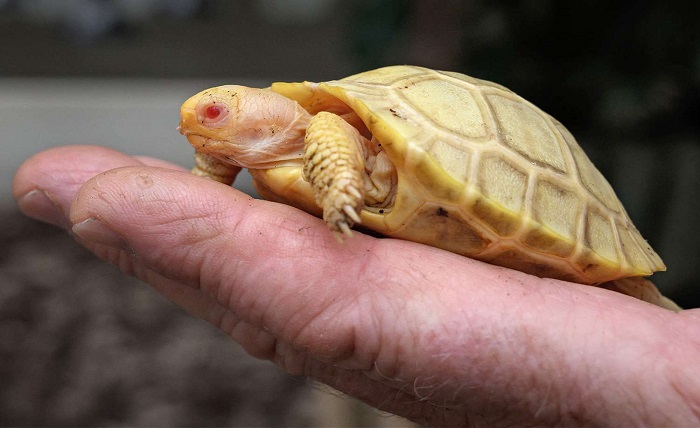
The albino turtle is one of the rarest and most visually striking reptiles found in nature, captivating scientists and wildlife enthusiasts alike. An albino turtle is characterized by a genetic condition known as albinism, which results in a complete lack of melanin pigment in its body. Because of this, an albino turtle typically has a pale white or yellowish shell, pink or red eyes, and light-colored skin that makes it stand out dramatically in its environment.
Unlike regular turtles, the albino turtle lacks the natural camouflage that helps protect it from predators. This makes survival in the wild extremely difficult for an albino turtle, contributing to its rarity. The albino turtle is not a separate species but rather a genetic variation that can occur in many types of turtles, including snapping turtles, softshell turtles, and red-eared sliders.
The uniqueness of the albino turtle has made it a subject of fascination, but also raises concerns about conservation and ethical breeding practices. Understanding what defines an albino turtle is the first step in appreciating its beauty and challenges.
Why Is the Albino Turtle So Rare?
The rarity of the albino turtle is primarily due to the genetic mutation responsible for albinism. For an albino turtle to be born, both parent turtles must carry the recessive gene associated with albinism. This makes the chances of an albino turtle appearing in the wild extremely low.
Additionally, an albino turtle faces significant survival challenges from the moment it hatches. Because an albino turtle lacks pigmentation, it is highly visible to predators such as birds, fish, and mammals. This visibility drastically reduces the likelihood that an albino turtle will survive to adulthood in its natural habitat.
Another reason the albino turtle is rare is its sensitivity to sunlight. Without melanin, an albino turtle is more vulnerable to UV radiation, which can harm its skin and eyes. This further limits the environments in which an albino turtle can thrive.
In captivity, the albino turtle is sometimes bred intentionally, which increases its numbers slightly. However, even in controlled conditions, producing a healthy albino turtle remains uncommon, maintaining its status as a rare and prized reptile.
Physical Characteristics of an Albino Turtle
The most striking feature of an albino turtle is its appearance, which sets it apart from all other turtles. An albino turtle typically has a shell that ranges from creamy white to pale yellow, often with subtle patterns that are less pronounced than those of pigmented turtles.
The eyes of an albino turtle are particularly distinctive. Due to the absence of pigment, the blood vessels in the eyes are visible, giving the albino turtle its characteristic red or pink eye color. This is one of the easiest ways to identify a true albino turtle.
The skin of an albino turtle is usually soft and light-colored, sometimes appearing almost translucent. This delicate appearance makes the albino turtle especially vulnerable to environmental stressors.
Despite these differences, the overall body structure of an albino turtle is similar to that of its non-albino counterparts. However, the unique coloration of the albino turtle often makes it highly sought after by collectors and reptile enthusiasts.
Natural Habitat and Behavior of the Albino Turtle
In the wild, the albino turtle can theoretically be found in any habitat where its species exists, including freshwater ponds, rivers, lakes, and even coastal regions. However, due to its lack of camouflage, the albino turtle rarely survives long enough to establish itself in these environments.
The behavior of an albino turtle is generally similar to that of other turtles. An albino turtle spends much of its time basking, swimming, and foraging for food. However, an albino turtle may be more cautious and reclusive due to its vulnerability.
Because of its sensitivity to sunlight, an albino turtle may prefer shaded areas or deeper waters to avoid prolonged exposure to UV rays. This behavior can impact feeding patterns and overall activity levels in an albino turtle.
In captivity, the albino turtle can adapt well if provided with proper care. Controlled environments allow the albino turtle to live longer and exhibit natural behaviors without the constant threat of predators.
Caring for an Albino Turtle as a Pet
Keeping an albino turtle as a pet requires special attention and care due to its unique needs. An albino turtle is more sensitive to light, so its enclosure should include shaded areas and UVB lighting that is carefully regulated.
The diet of an albino turtle is similar to that of other turtles and typically includes a mix of commercial turtle pellets, leafy greens, and occasional protein sources such as insects or fish. Proper nutrition is essential for maintaining the health of an albino turtle.
Water quality is another crucial factor in caring for an albino turtle. Clean, well-filtered water helps prevent infections and supports overall well-being. An albino turtle is particularly susceptible to skin and eye issues, making hygiene even more important.
Handling an albino turtle should be done with care, as its delicate skin can be easily damaged. Regular veterinary check-ups are also recommended to ensure that the albino turtle remains healthy and free from common health problems.
Myths and Misconceptions About the Albino Turtle
There are many myths surrounding the albino turtle, often fueled by its unusual appearance. One common misconception is that an albino turtle is a different species, when in fact it is simply a genetic variation.
Another myth is that an albino turtle has supernatural or symbolic significance. In some cultures, the albino turtle is seen as a sign of good luck or spiritual power. While these beliefs can be fascinating, they are not scientifically grounded.
Some people also believe that an albino turtle is weaker or less capable than other turtles. While it is true that an albino turtle faces certain challenges, it can still live a healthy life, especially in a protected environment.
Understanding the truth about the albino turtle helps dispel myths and promotes better care and conservation efforts for these unique animals.
Conservation and Ethical Considerations for the Albino Turtle
The conservation of the albino turtle is closely tied to the protection of its natural habitat and the ethical treatment of wildlife. Because the albino turtle is rare, it is often targeted by collectors, which can put additional pressure on already vulnerable populations.
Ethical breeding practices are essential when it comes to the albino turtle. Breeding an albino turtle should prioritize the health and well-being of the animals rather than purely aesthetic traits.
Habitat destruction also poses a threat to the albino turtle, as it reduces the chances of survival for all turtles, including those with albinism. Protecting wetlands, rivers, and other natural environments is crucial for the future of the albino turtle.
Public awareness and education can play a significant role in ensuring that the albino turtle is respected and protected rather than exploited.
Conclusion
The albino turtle is truly one of nature’s most extraordinary creations, combining rarity, beauty, and vulnerability in a single creature. From its unique genetic makeup to its striking appearance, the albino turtle continues to captivate those who encounter it. However, the challenges faced by the albino turtle, both in the wild and in captivity, highlight the importance of responsible care and conservation.
By understanding the needs and characteristics of the albino turtle, we can better appreciate its place in the natural world and contribute to its preservation. Whether admired in the wild or cared for as a pet, the albino turtle remains a symbol of nature’s diversity and wonder.
FAQs
1. What causes an albino turtle to be born?
An albino turtle is born due to a genetic mutation that prevents the production of melanin, resulting in its pale coloration.
2. Can an albino turtle survive in the wild?
An albino turtle can survive in the wild, but its chances are low due to visibility to predators and sensitivity to sunlight.
3. Is an albino turtle a different species?
No, an albino turtle is not a different species; it is a genetic variation that can occur in many turtle species.
4. Are albino turtles good pets?
An albino turtle can make a good pet if given proper care, including controlled lighting, clean water, and a balanced diet.
5. Why are albino turtles expensive?
An albino turtle is often expensive because of its rarity, unique appearance, and the difficulty involved in breeding it.