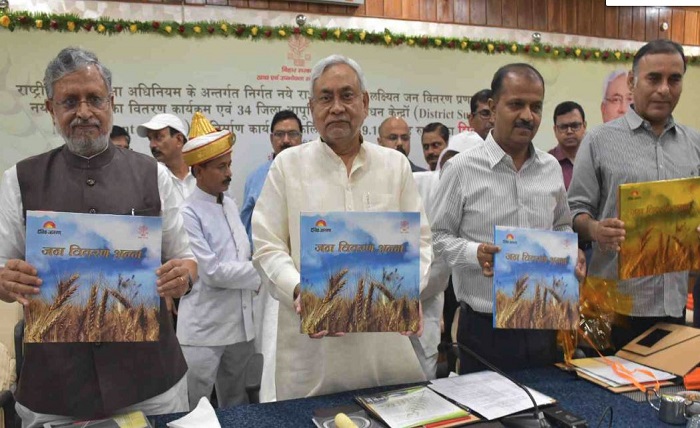
Jan Vitran Ann refers to the system of distributing essential food grains to the public through government-supported channels at subsidized prices. The Jan Vitran Ann concept is closely linked to the broader public distribution framework designed to ensure food security for economically weaker sections of society. Through the Jan Vitran Ann system, households receive staples such as rice, wheat, sugar, and kerosene at significantly reduced prices, making it easier for low-income families to meet their daily nutritional needs.
The Jan Vitran Ann initiative plays a critical role in stabilizing food availability in rural and urban areas alike. By operating through fair price shops and government-approved ration outlets, the Jan Vitran Ann network reaches millions of families. The importance of Jan Vitran Ann lies not only in providing food but also in supporting social welfare policies that aim to reduce hunger and poverty.
History and Evolution of Jan Vitran Ann
The development of Jan Vitran Ann is deeply rooted in government efforts to manage food distribution during times of scarcity. Initially, the idea behind Jan Vitran Ann emerged during periods when food shortages made it necessary for authorities to regulate grain supply and pricing. Over time, the Jan Vitran Ann system evolved into a structured public distribution mechanism that could support large populations.
During the late twentieth century, reforms strengthened the Jan Vitran Ann framework by identifying families below the poverty line and prioritizing them for food assistance. These changes helped the Jan Vitran Ann program become more targeted and efficient. Today, the Jan Vitran Ann system continues to evolve with the introduction of digital ration cards, biometric authentication, and improved supply chain monitoring.
Objectives of the Jan Vitran Ann System
The primary objective of Jan Vitran Ann is to guarantee food security for vulnerable populations. By offering subsidized food grains through Jan Vitran Ann outlets, governments aim to ensure that no household suffers from severe food shortages. This objective is especially important in regions where poverty and unemployment limit access to affordable food.
Another goal of the Jan Vitran Ann program is to stabilize market prices. By maintaining a reserve of essential grains and distributing them through Jan Vitran Ann channels, authorities can prevent sudden price spikes that could harm low-income consumers. Additionally, Jan Vitran Ann helps maintain a steady flow of agricultural commodities from farmers to consumers, creating a balanced supply chain.
How the Jan Vitran Ann Distribution Process Works
The Jan Vitran Ann distribution process involves several stages that ensure food grains move efficiently from production centers to consumers. First, the government procures grains from farmers at a minimum support price. These grains are then stored in warehouses and eventually supplied to Jan Vitran Ann distribution centers.
From these centers, the grains are transported to fair price shops where registered beneficiaries can collect their allotted quantities. The Jan Vitran Ann system uses ration cards to identify eligible families and determine the amount of food they can receive each month. In many regions, modern technology such as biometric verification and digital tracking has been introduced to improve transparency in the Jan Vitran Ann process.
Benefits of Jan Vitran Ann for Society
The Jan Vitran Ann system offers numerous benefits that extend beyond simple food distribution. One of the most important advantages of Jan Vitran Ann is its ability to reduce hunger among economically disadvantaged communities. By providing subsidized grains, the Jan Vitran Ann program helps families maintain a basic level of nutrition even during financial hardship.
Another benefit of Jan Vitran Ann is its contribution to social stability. When food remains affordable and accessible, communities experience fewer economic tensions and social conflicts. Furthermore, the Jan Vitran Ann initiative supports farmers by ensuring that the government purchases large quantities of grain, creating a reliable market for agricultural products.
Challenges Faced by the Jan Vitran Ann System
Despite its importance, the Jan Vitran Ann system faces several operational challenges. One common issue in Jan Vitran Ann distribution is the leakage of food grains during transportation or storage. When such losses occur, the intended beneficiaries may receive less than their allocated quantities.
Another challenge affecting Jan Vitran Ann is the presence of outdated beneficiary lists. In some cases, families who no longer qualify for assistance may remain on the records, while newly eligible households might be excluded. Addressing these issues requires continuous monitoring and modernization of the Jan Vitran Ann infrastructure, including better record management and supply chain transparency.
Digital Transformation in Jan Vitran Ann
In recent years, technology has played a major role in improving the efficiency of the Jan Vitran Ann system. Governments have begun integrating digital databases, biometric authentication, and electronic point-of-sale devices into Jan Vitran Ann distribution points. These innovations help ensure that food grains reach the correct beneficiaries without duplication or fraud.
Digital ration cards and online monitoring platforms have also strengthened accountability in the Jan Vitran Ann network. By tracking grain movement and distribution data in real time, authorities can quickly identify irregularities. As a result, the digital transformation of Jan Vitran Ann has significantly improved transparency and efficiency across the system.
Future of Jan Vitran Ann
The future of Jan Vitran Ann depends on continued policy improvements and technological advancements. As governments expand digital infrastructure, the Jan Vitran Ann program is expected to become more efficient and accessible. Mobile applications, integrated databases, and improved logistics can help the Jan Vitran Ann network deliver food grains faster and with fewer losses.
Another important aspect of the future of Jan Vitran Ann is the possibility of diversifying the types of food distributed. In addition to staple grains, some regions may include pulses, cooking oil, and fortified foods in the Jan Vitran Ann system. Such improvements would enhance the nutritional impact of Jan Vitran Ann and further strengthen food security.
Conclusion
The Jan Vitran Ann system remains one of the most important social welfare initiatives aimed at ensuring food security for millions of people. By distributing essential food grains at subsidized prices, Jan Vitran Ann helps reduce hunger, stabilize markets, and support vulnerable communities. Although challenges such as leakage and outdated records still exist, ongoing reforms and digital innovations are steadily improving the efficiency of Jan Vitran Ann. With continued investment and modernization, the Jan Vitran Ann program has the potential to become even more effective in addressing food insecurity and promoting social welfare.
FAQs
1. What is the main purpose of Jan Vitran Ann?
The main purpose of Jan Vitran Ann is to provide subsidized food grains to economically weaker sections to ensure food security.
2. Who can benefit from the Jan Vitran Ann system?
Low-income households, especially those identified as below the poverty line, are the primary beneficiaries of Jan Vitran Ann.
3. What items are distributed through Jan Vitran Ann?
Common items distributed through Jan Vitran Ann include rice, wheat, sugar, and sometimes kerosene or other essential commodities.
4. How do people access Jan Vitran Ann benefits?
Beneficiaries access Jan Vitran Ann benefits through ration cards that allow them to collect subsidized grains from authorized fair price shops.
5. How is technology improving Jan Vitran Ann?
Technology improves Jan Vitran Ann through digital ration cards, biometric authentication, and online monitoring systems that increase transparency and reduce fraud.