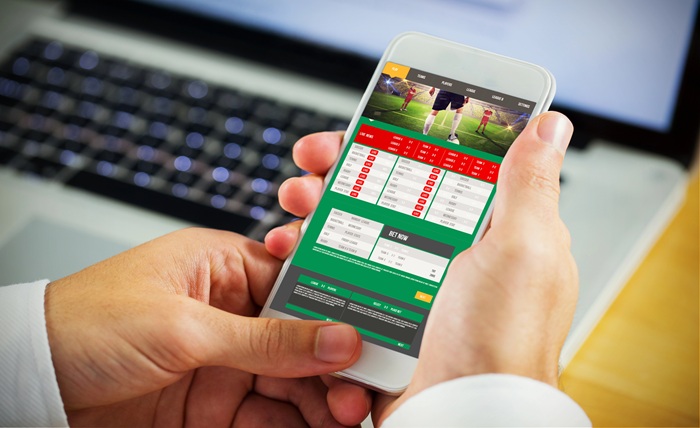
When a carefully researched bet on a Serie A 2016–17 match collapses in the final minutes, the immediate urge to “win it back” can feel overwhelming. Unless you understand how that emotion works and build habits to interrupt it, chasing losses will quietly replace your original strategy, turning a season you follow for enjoyment into a source of financial and psychological pressure.
Why Serie A 2016–17 Losses Feel So Triggering
The 2016–17 Serie A campaign was full of strong narratives—Juventus extending their run of titles with a record sixth consecutive Scudetto, Roma and Napoli pushing hard in attack, and several tight battles lower down the table. When bets are attached to these emotionally charged storylines, the result is not just a financial outcome but a perceived verdict on your understanding of the league and your “reading” of the match. That personal investment makes last‑minute goals, contentious penalties, or shock upsets feel like an attack on your competence, which is exactly the kind of emotional blow that drives people toward impulsive attempts to recover money quickly.
What “Chasing Losses” Really Means in Gambling Psychology
In gambling research, chasing losses refers to the pattern of placing more bets, or larger bets than usual, specifically to recover money lost earlier rather than because a new opportunity genuinely fits your strategy. Studies describe it as a key symptom of problematic gambling, often driven by impaired impulse control and the belief that a win is “due” after a series of losses, even when the underlying odds have not changed. In sports betting, that might show up as immediately staking heavily on the next available Serie A match—or diverting to another league the same night—simply because you cannot tolerate seeing the day’s loss in your account.
Conditional scenarios: normal reaction vs dangerous chasing
Feeling frustrated or disappointed after a losing coupon is normal; acting on that feeling is what distinguishes a healthy response from dangerous chasing. If you acknowledge the loss, stick to your original staking plan, and wait for the next round of 2016–17 fixtures that match your criteria, you are still operating within your framework. By contrast, if you increase stake size, depart from your usual markets, or bet on a game you did not plan to analyze simply to get back to break‑even, you have entered a loss‑chasing pattern that research links to escalating financial and emotional harm.
Immediate Emotional First Aid Right After a Lost Bet
The most critical window is the first few minutes after a painful loss, when anger and frustration are strongest and your ability to think clearly is weakest. Psychological and responsible gambling resources consistently emphasize the value of pausing and creating distance—physically and mentally—before making any further decision. Simple interventions such as standing up, stepping away from the screen, taking several slow breaths, and deliberately focusing attention on something unrelated to football help your body’s stress response subside, which in turn restores some of your capacity for rational thought.
Once you are calmer, writing down what actually happened—stake, market, odds, and key match events—can transform a raw emotional reaction into an object you can analyze later, separate from the urge to “fix” the outcome immediately. That written record also supports longer‑term learning because it lets you see whether you lost due to bad luck, poor analysis, or over‑aggressive staking, rather than lumping all losses together as failures that must be instantly reversed.
Using Structured Rules to Prevent Loss‑Driven Decisions
Because emotions run high after losses, relying on willpower alone is unreliable; instead, you need pre‑committed rules that automatically limit what you can do once a bet has gone bad. Responsible gambling guidelines repeatedly recommend setting firm boundaries around money and time—such as a daily loss cap, a fixed number of bets per matchday, or a mandatory “cool‑off” period after a losing session—and then treating these rules as non‑negotiable. In practical terms for a Serie A 2016–17 bettor, that might mean deciding in advance that if you lose a certain amount on a Saturday card, you are done until the next round of fixtures no matter what the Sunday schedule looks like.
These pre‑set rules work because they move the decision outside the emotional moment; you are not asking an angry, disappointed version of yourself whether to continue betting, you are simply following the agreement your calmer self made earlier. Over time, this separation reinforces the idea that each losing bet is one data point in a season‑long project rather than a personal crisis that must be resolved immediately.
To make these rules actionable, it helps to formalize them in a simple checklist that you review whenever a bet loses in a way that stings. The sequence below illustrates one way of doing this by connecting concrete triggers to specific responses.
| Trigger after loss | Automatic response | Purpose |
| Daily loss hits pre‑set money limit | Log results, close betting apps for 24 hours | Blocks further financial damage |
| Strong anger or urge to “win back now” | 10‑minute break away from screens | Allows emotional arousal to decrease |
| Temptation to raise stake size unusually | Revert to written staking plan, no exceptions | Prevents impulsive bet sizing |
| Two or more unplanned bets in a row placed | End session, review plan before next matchday | Stops drifting away from original strategy |
Interpreting this table, the key is that each trigger is specific and observable, and each response is concrete rather than vague. You are not telling yourself to “stay disciplined” in general; you are identifying particular danger signals and pairing them with actions that directly reduce the chance of sliding into a loss‑chasing spiral.
How UFABET’s Environment Can Affect Post‑Loss Behavior
The site or app you use to bet can either amplify or dampen the urge to chase losses, depending on its layout and features. When a bettor is using ufabet168 เข้าสู่ระบบ as an online betting site during a busy Serie A 2016–17 weekend and sees dozens of live markets updating in real time, the interface itself can make it feel natural to immediately click into the next match or switch markets after a late goal ruins a coupon. To keep control in that environment, it helps to pre‑limit how long you stay logged in after any losing bet, use available tools to cap daily deposits or losses, and avoid browsing in‑play markets while still emotionally charged, so that the convenience of the interface does not override your pre‑planned boundaries.
Recognizing Early Signs That You Are Starting to Chase
Early recognition is essential because loss‑chasing tends to escalate quickly once it starts. Clinical and public health sources list markers like increasing bet sizes after losses, gambling with money needed for other purposes, playing longer than intended, or feeling compelled to keep betting until you “get even” as clear signs that control is slipping. In a Serie A context, that might mean doubling your stake on a late‑kickoff match after an afternoon loss, using funds earmarked for bills to cover a “must‑win” Sunday fixture, or staying up to bet on smaller competitions after the Italian schedule ends simply because you cannot accept ending the day behind.
When you notice one or more of these signs, the appropriate response is not to refine your next selection but to step back completely and reassess your relationship with betting. That may include taking a multi‑week break, lowering your maximum stake dramatically, or contacting professional support services if you find it difficult to stop despite wanting to.
Emotional Habits That Reduce the Impact of Individual Losses
Long before individual bets settle, you can build emotional habits that make each loss feel less catastrophic. Research on gambling behavior highlights difficulties in identifying and managing emotions—sometimes described as alexithymia—as factors that increase the likelihood of chasing losses, because people focus solely on the external result (the lost money) rather than noticing and processing the internal reaction. Practices such as brief journaling after sessions, noting how you felt before, during, and after betting, help make those internal states more visible, which in turn makes it easier to respond with self‑care rather than impulsive action.
Outside of betting itself, maintaining routines that lower overall stress—regular sleep, exercise, social contact not centered on gambling—reduces the background pressure that often turns a single Serie A loss into a perceived crisis. When your well‑being is supported by multiple pillars, football results have less power to define your mood or self‑worth, which weakens the emotional logic behind “I must win this back tonight.”
Why casino online Contexts Demand Extra Caution After a Loss
If your betting on Serie A takes place within a broader casino online environment, where slots and instant‑win games sit next to sports markets, the temptation to chase losses can expand beyond football itself. After a painful defeat on a 2016–17 match, it can feel easier to click into a quick game promising immediate resolution—either a fast recovery or a distraction from negative feelings. Responsible gambling advice warns that using high‑variance casino products to escape from the emotional toll of losing is a common pathway from casual betting into more serious problems, because it combines strong emotions, rapid play cycles, and often poor awareness of true odds. Recognizing that spike of desire for instant “relief” and deliberately choosing non‑gambling activities instead is a key defensive move.
Summary
Controlling your emotions after losing a Serie A 2016–17 bet is not about refusing to feel frustration; it is about preventing that frustration from dictating your next move. Chasing losses—placing more or larger bets to recover previous defeats—is a well‑documented warning sign of problematic gambling, and it arises precisely when anger, disappointment, and the desire to “get even” override the strategy you planned in calmer moments. By setting clear limits in advance, using simple checklists to interrupt impulsive behavior, staying aware of how betting environments and casino‑style contexts can pull you into rapid decisions, and seeking help when you notice early signs of loss‑chasing, you turn each defeat into a manageable event in a larger project rather than the start of a destructive spiral.